

March is the time when many of us start getting back into our routines after Carnival, putting important commitments on the calendar, and resuming essential care for the entire year. So, there is no better time to remember the importance of oral health.
And to help you take even better care of yourself, we spoke with nurse Marcus Santos, who answered some essential questions about the topic.

What daily habits are most helpful for maintaining good oral health?
Maintaining good oral health starts with simple daily care:
- Brush your teeth at least 3 times a day, especially after meals and before going to bed, using fluoride toothpaste.
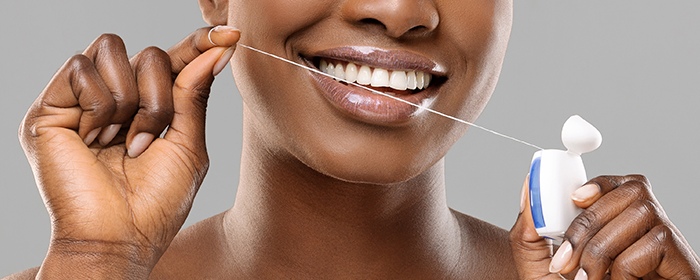
- Floss daily, as it removes food particles and plaque (the layer of buildup that sticks to your teeth) from areas that a toothbrush cannot reach.
- Gently clean your tongue to reduce bacteria that cause bad breath.
- Maintain a balanced diet, avoiding excessive sugar, soft drinks, and processed foods (such as cookies and salty snacks).
- Drink plenty of water to help keep your mouth moist and promote saliva production, which acts as a natural protective barrier for your teeth.
- Avoid smoking and excessive alcohol consumption, as they increase the risk of gum disease and oral cancer.
Small daily habits can make a big difference in preventing cavities, gum inflammation (gingivitis), and other oral health problems.
How often is it recommended to have a dental check-up?
It is recommended to have a dental check-up every 6 months, even if you are not experiencing any pain. These appointments help to:
- Identify cavities and gum problems at an early stage
- Perform preventive cleanings
- Provide guidance on proper brushing and oral hygiene habits
- Prevent more complex treatments in the future
If you have diabetes, are pregnant, or care for older adults or children, follow-up may need to be more frequent, according to your healthcare professional’s guidance.
What signs indicate that it is time to see a dentist, even outside of routine appointments?
Some signs deserve attention and should not be ignored:
- Toothache, sensitivity, or a “shock-like” sensation when eating cold, hot, or sweet foods
- Bleeding gums, persistent swelling, or redness
- Constant bad breath, even with good oral hygiene
- Broken, loose, or discolored teeth
- Mouth sores that do not heal or close within 15 days
- Pain when chewing or opening your mouth
These symptoms may indicate an infection, inflammation, or other conditions that require professional evaluation as soon as possible.